2015-07-06 17:52
Technology
Alex Lowe

Latest SSD from Samsung is 2TB, but is costly

Latest SSD from Samsung is 2TB, but is costly

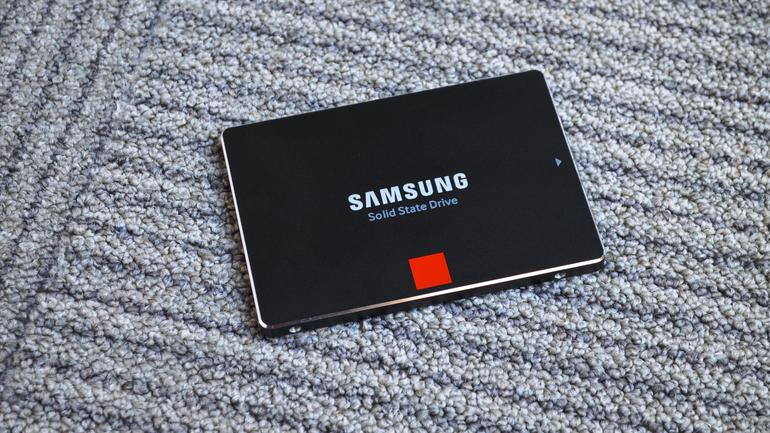
The latest model of the solid-state drives (SSDs) from Samsung now goes up to a whopping 2TB with the new 850 Evo and 850 Pro. Currently these models are only available in desktop versions, but Samsung has confirmed that laptop versions will be coming soon. Samsung has long been making 1TB versions of these drives (over a year in fact) but these upgrades aren’t just an iterative change, Samsung has added a lot of new technology into these new drives.

The 850 Evo and 850 Pro both have Samsung’s latest 3D vertical flash memory which uses a more efficient way to layout the chips. Previously chips are laid out flat, 2D but with the new 3D layout all of the chips are stacked to fit more storage in a smaller drive.

This new storage option is making the gap bettered Hard Drives and SSDs ever so smaller, but as with flash memory the price is quite large. The Samsung 850 Evo may have a price of $800 and the 850 Pro might be $1,000.

Alex Lowe

Latest SSD from Samsung is 2TB, but is costly

Alex Lowe is the owner and editor of the interface and started the website in 2013. He publishes the majority of the content on the website, hosts the three podcasts and the runs the YouTube channels. Alex has a professional background in computer networking, FWA and WiFi.

Other Posts

Nintendo announces new Alarm clock, called 'Alarmo'
Nintendo has, surprisingly launched an alarm clock that plays sounds from various Nintendo games and tracks sleep
iOS 18 will bring support for Adaptive Lighting to Matter lights
The next version of iOS, when it drops in September will allow Adaptive Lighting to work with Matter lights
Apple is conducting new pedestrian surveys in the UK for Apple Maps
People spotted walking around h UK with Apple Maps branded backpacks, hinting at expanded Look Around data
After 14 years, Omegle has been shut down permanently
Online chat website, Omegle has now shut down after being launched back in 2009. The founder cited it was no longer sustainable, financially nor psychologically