Back in 2014, when the Tesla Model S was originally launched in the UK, the EV landscape was a very different place to what it is now. At the time, the Nissan Leaf, Renault Zoe and the Mitsubishi i-MiEV were available, but neither had anywhere near the capability that the Model S had. It was one of the first EVs on sale that could DC rapid charge, with a maximum supported rate of 120kW DC. More importantly, it could comfortably do around 250 miles+ on a full charge.
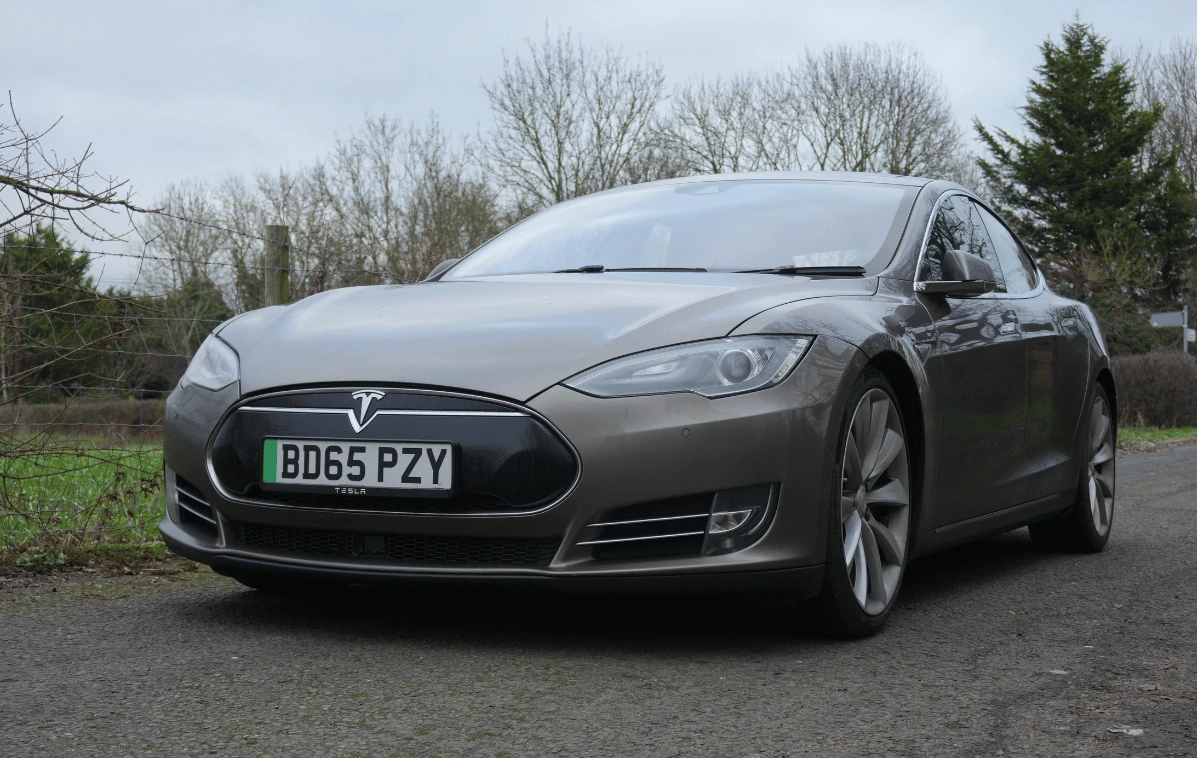
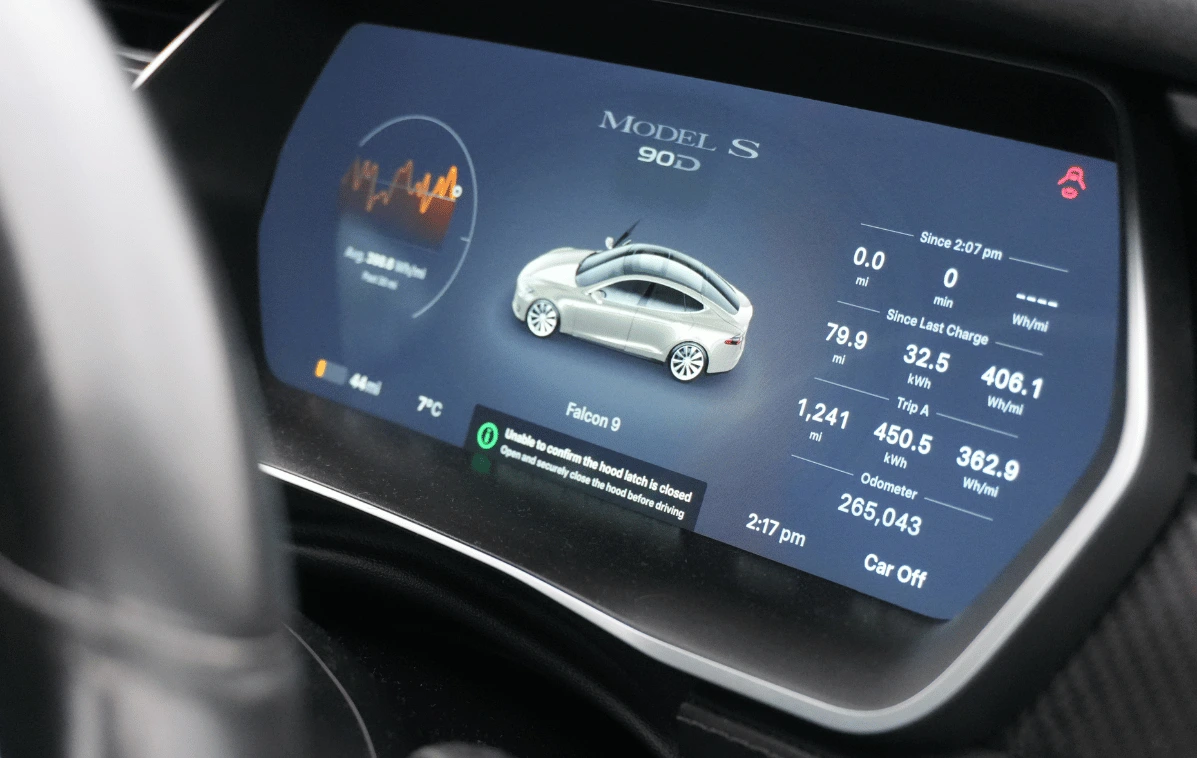
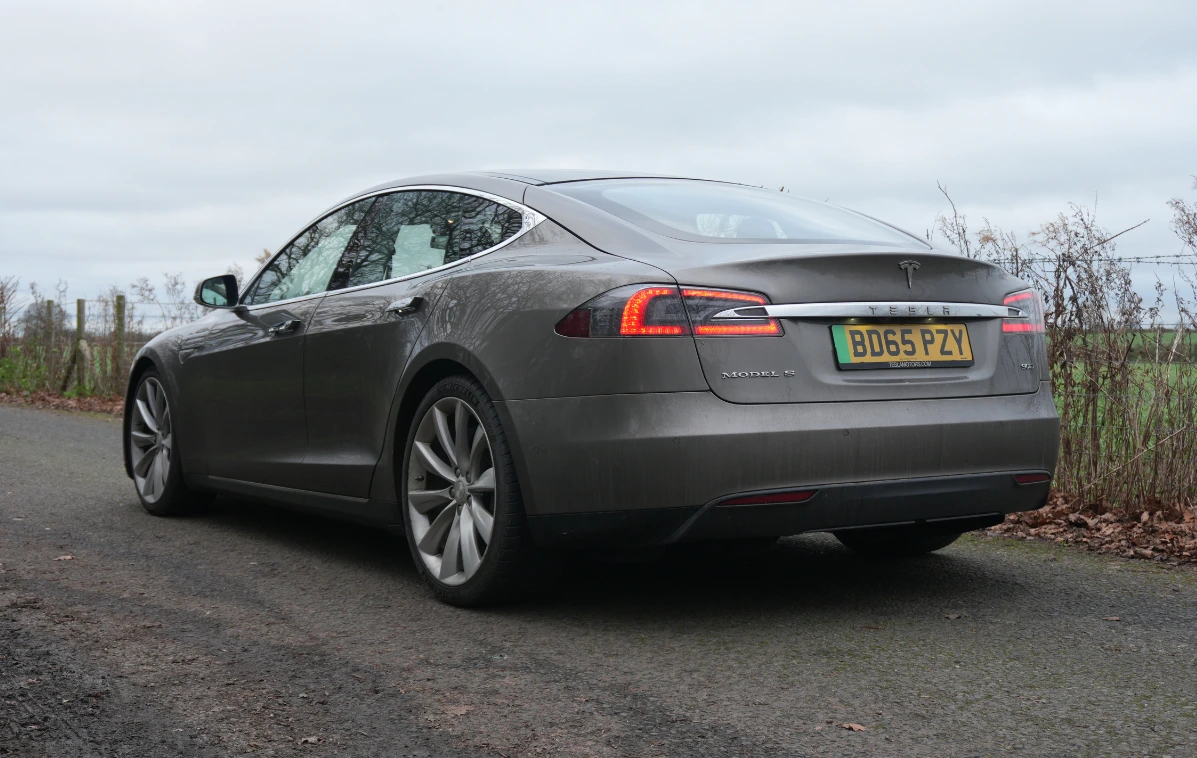
This exact Model S I'm going to be driving for the next few weeks isn't just any old car. This is registration BD65 PZY and as of writing in December 2025, it has done over 265,000 miles since November 2015. Those miles haven't been exactly easy on it either, as since new it has been used by Tesla engineers as transport to and from its various Supercharger locations, and no doubt it has been rapid charged a fair amount. It now sits on the company's press fleet as a shining example of how long these early EVs can last.
This Model S is in the 90D configuration, meaning it has a dual motor system and a pretty large 85kWh battery, which by the way - is still the original one. Understandably, in a long slog of miles and use as a work vehicle, it has had a couple of failed MOTs in that time, but only really for expected things, such as tyre tread depth and suspension arm bushes - and that is pretty much it, which is all normal wear and tear for a car that has done an average of 26,000 miles a year.
Cosmetically, this isn't a shining example of a pristine car, this as I say, has been a work horse for Tesla, so it has a few dings and dents on the exterior. Inside the leather steering wheel is expectedly shiny and there is slightly musty smell in the interior. However, it does seem to scrub up very well after a quick valet.
So what about my first drive then? I picked up the Model S from the company's Stratford branch (this is the norm for collecting Tesla press cars) and immediately drove to somewhere near Hastings to drive the new Kia PV5 (for a video on the channel). Not a very long journey in terms of mileage (165 miles), but a fair distance in time and one that unfortunately steers me onto that notoriously bumpy section of the M25.
The car was sitting at 90% and indicating a range of 200 miles. For someone that has become accustom to Tesla's latest vehicles, the way the S shows its range is a tad odd, as you can choose from indicated or actual and this varies the range quite wildly. For example, from 90%, it was showing 200 miles on the indicated setting, but 260 miles from the calculated mode. I opted to stick with the first one that was showing less range, which actually seemed to make the most sense when looking back at the numbers.
I plumbed in my destination, and it wanted to do a brief short stop for 20 mins at Uxbridge. From experience, this particular Tesla Supercharger is awkward to get to and requires you to pay for entry. It is also located in a multi-storey car park next to a shopping centre, so a quick visit to the toilet might be a longer walk than I was hoping for. So instead, I changed the destination to Oxford services.
Tesla seems to be expanding its offering at Oxford, as do Applegreen. For non-Tesla EV drivers this services has long been a charging wasteland, with only two old Gridserve chargers which just isn't enough in 2025. Tesla opened the Oxford Superchargers back in July 2015 and it originally had 6 V2 units. Today it has 16, but recent plans look to add an additional 16 V3 chargers. Sadly these will still be Tesla only, as this is what Welcome Break seem to require, but the additional Applegreen chargers are a welcome addition (no pun intended).
This little stint took just under 1 hour, in which I covered 54 miles and used 19.7kWh. I do like how the Tesla lays out the trips, with the amount of kWh used and time driven. The range on the S did drop from 200 miles to 139 miles, so just a 7 mile difference, but this was at motorway speeds.
The charging port on this Model S hasn't had the CCS upgrade, so it still has a Type 2 socket which is technically propeitory to Tesla, as it can support DC charging. Thankfully Oxford still has V2 units, which have two cables but Tesla also included an adapter to use the newer V3 and V4 stations.
After a short break, I was back on the road, with the range now sitting at 195 miles. I then set about covering the remaining 115 miles of my journey, which took just over 2 hours. Efficiency on this run was good, at 3.4mi/kWh, which for a ten year old AWD large saloon isn't half bad.
Journey completed, I got to my destination with 69 miles of range, which is around ten less than expected. One thing I did note is that on both legs of my trip, the expected percentage increased by around 10% each time, which is likely the car getting used to me as a driver.
The whole driving experience is pretty good, even after it has covered this huge amount of miles. On the motorway, the suspension is smooth and while there is a bit of wind noise from the passenger side, the whole experience feels quite premium. Only once you take it on some rougher roads with more undulations, does it start to make some creaking noises from the headlining and some of the rear section, but nothing out of the ordinary for sure.
This one is the 90D, so it has a fair amont of grunt and acceleration is impressive. The handling isn't anywhere near as sharp as modern Tesla vehicles and the brake pedal is quite spongey. It is hard to deciver if this is something that could be rectified with maintenance, or is just how the S was when it was new. Personally, this is my first drive in a Model S.
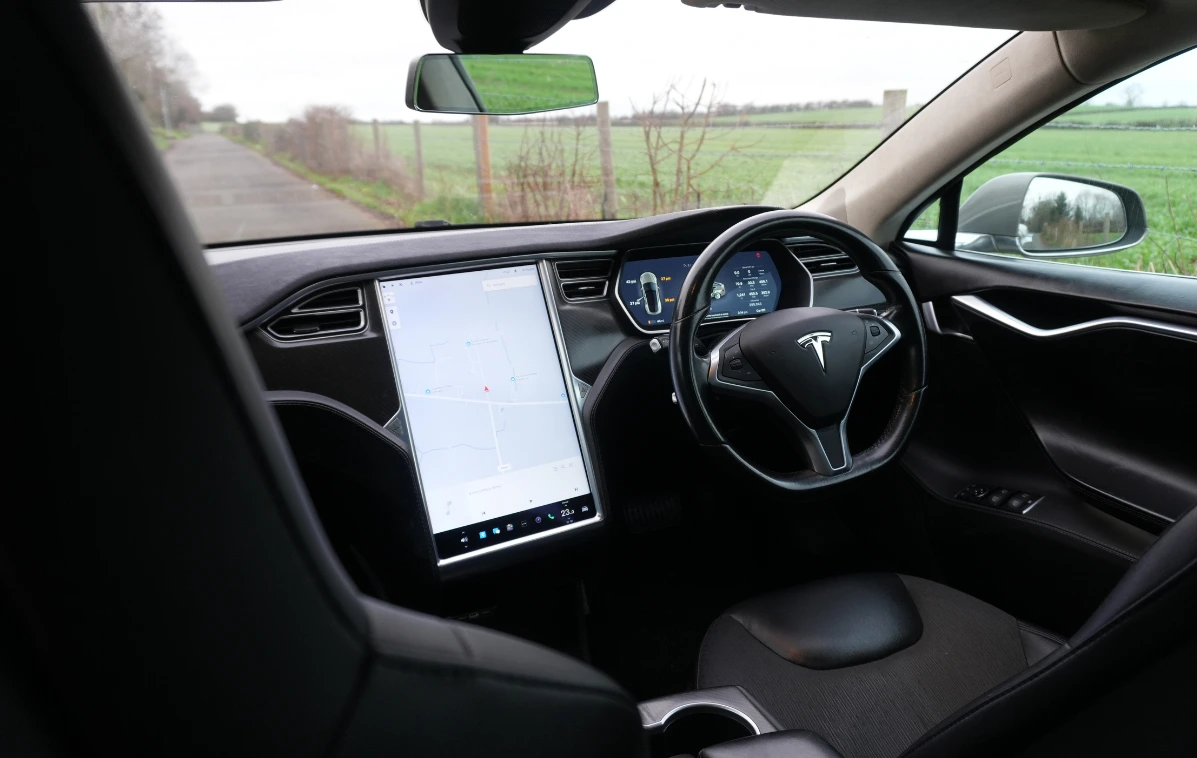
The infotainment is something which is incredibly impressive. If you look back at the launch footage and images from the time, the operating system's look and feel is vastly different to what we see now. Tesla has continued to support and update the Model S over time, and will probably do so for many years to come. Yes, it does lack some of the more advanced features and it'll never be able to support full self driving like the new 3 and Y can, but just the fact it still gets these updates is great.
There was an infotainment upgrade program that Tesla was running a while back for the Model S and Model Y cars that were built in March 2018 or earlier. This car seems to have received this upgrade at some stage in its life.
This did cost around £1,700 and upgraded the main computer in the car, it added support for video streaming and Tesla Arcade. However, it did remove support for FM and DAB, which I did notice was missing earlier on. This is because the original radio tuner isn't compatible with the new computer in the car and Tesla can upgrade this module separately if required.
There are one or two oddities to bear in mind when it comes to day to day usability. For example, this is a 2015 car - so it isn't compatible with the phone key on iPhone. Support for this was added in 2021 for both Model S and Model X. Instead, you have the rather unique car shaped key, which has various buttons for unlocking the boot, frunk and the car itself.
This whole process wasn't to simply have a drive around in a old Model S, it was to see and experience just how far Tesla has come and also, and probably more importantly - is to see just how long EVs last. The media is, unfortunately full of not very helpful information about how long electric vehicles might last and the reality is that the first Nissan Leaf from 2009 without proper battery thermal management, probably painted EVs in a bad light.
However, not long afterwards they got significantly more advanced very quickly. If this 265,000 mile Model S, which has been used as a workhorse for the best part of a decade shows us anything is yes, they do last a long time.
Tesla has come a very long way too. Looking back at this Model S, the interiors have become much more simple, the technology has gotten more sophisticated and the cars drive very well too, just look at the current Model 3 Performance for example.
However, since this Model S ws launched, the market has become a lot more competitive. If you don't make a compelling EV now in 2025, your days as a car company don't seem to look that promising. So Tesla has also upped their game too and the company's current lineup is the best it has ever been. It'll be certainly interesting to watch what comes next in 2026.
Happy Birthday Model S, here's to the next decade.