2019-12-03 16:16
Technology
Alex Lowe

Apple Pay Express Travel Card now works on London’s TfL

Apple Pay Express Travel Card now works on London’s TfL

Last year, A&T Tech reported on a new feature of the iPhone XS that Japan based blog Ata Distance had found where the NFC chip in the phone would stay active for up to five hours, even if the iPhone had run out of battery.

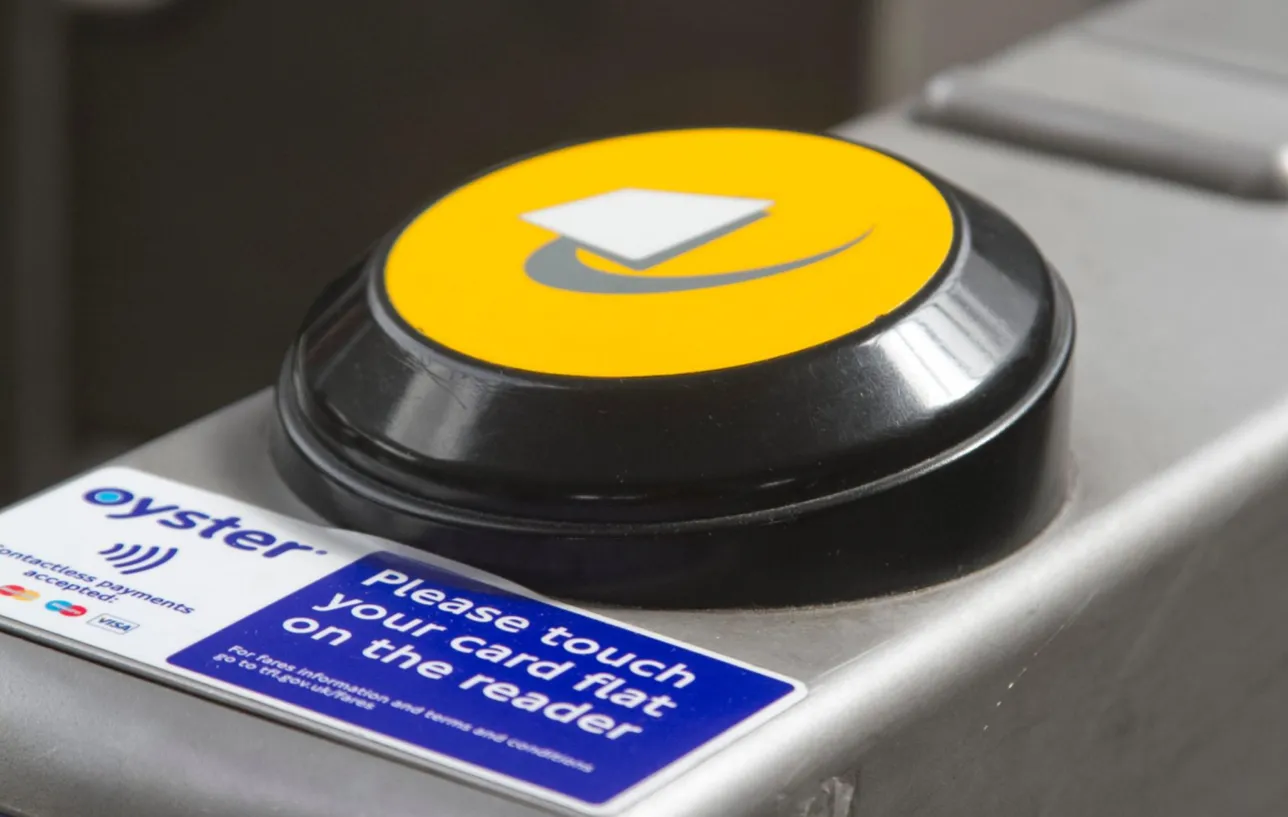
This new feature was called Apple Pay Express Travel Card and starting this week, it can now be used on London’s TfL public transport network. That includes all the buses, trams, ferries, trains and the underground. Without using the Express Travel Card, Apple Pay can be used but you would need to unlock your phone, authenticate, tap and you’re done.

With Express Travel Card, users only need to tap your iPhone or Apple Watch on the reader and your preferred card is used – no need to unlock.

But this also works if your device has died, because NFC chips require no power to operate, iPhones which have died can operate Express Travel Card for up to five hours, so even if your phone has died you can still make it home.


Alex Lowe

Apple Pay Express Travel Card now works on London’s TfL

Alex Lowe is the owner and editor of the interface and started the website in 2013. He publishes the majority of the content on the website, hosts the three podcasts and the runs the YouTube channels. Alex has a professional background in computer networking, FWA and WiFi.

Other Posts

Apple Roadside Assistance via Satellite now available in the UK
After being announced earlier this year, Apple Roadside Assistance via Satellite is now available in the UK
IKEA Matter accessories
IKEA makes its new Matter accessories available in the UK
IKEA announced its new Matter smart home products in 2025, most of which are now available in the UK
New Google TV Streamer replaces the Chromecast
Google launches new Google TV Streamer to replace the Chromecast
802.11ac Wave 2 is now available for some routers
With 802.11ac Wave 2, it really takes a big jump in performance. It offers double the potential throughput per channel and an wider 5GHz channels