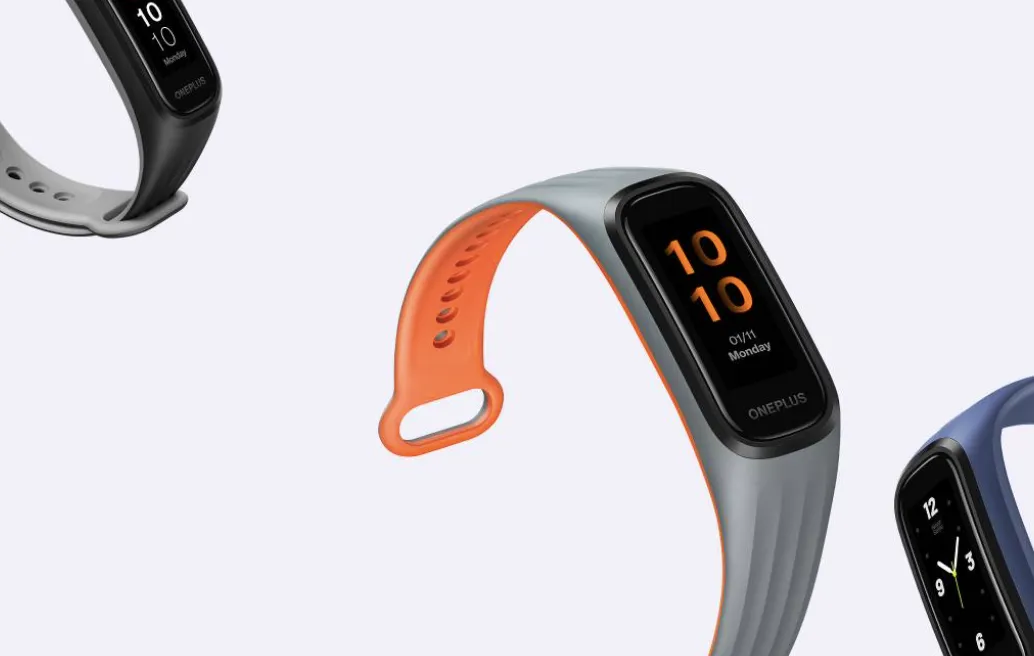
Today, OnePlus has announced its first wearable with the new OnePlus Band, a low cost fitness tracker capable of tracking steps, workouts and more. The band has a 1.1-inch display, which impressibly is AMOLED with a P3-wide colour gamut, like modern MacBooks. The battery is 100mAh, and therefore should keep going for around two weeks on one charge.
Like the Apple Watch, the OnePlus Band tracks steps, and also it’ll buzz you if you’ve been sat down too long. It can also track workouts, with 13 modes. However it does also have a heart rate sensor and it can monitor sleep too.
OnePlus is also supplying a corresponding app, called Health for Android and support for iOS will be coming after the band launches, so it won’t be available at launch. OnePlus is only launching this in India so far, with no plans to bring it to Europe, UK or the US.
Cost is 2,499 Indian Rupees $35 / £25 and it’ll be on sale soon.
Fits your wrist, and your pocket.
Introducing the #OnePlusBand.
Get it at ₹2,499 on https://t.co/zMYReDQeSb, Amazon, Flipkart, OnePlus Exclusive stores and OnePlus Partner stores.#SmartEverywear
Sales start soon. pic.twitter.com/b8Q3RIOQX6
— OnePlus India (@OnePlus_IN) January 11, 2021